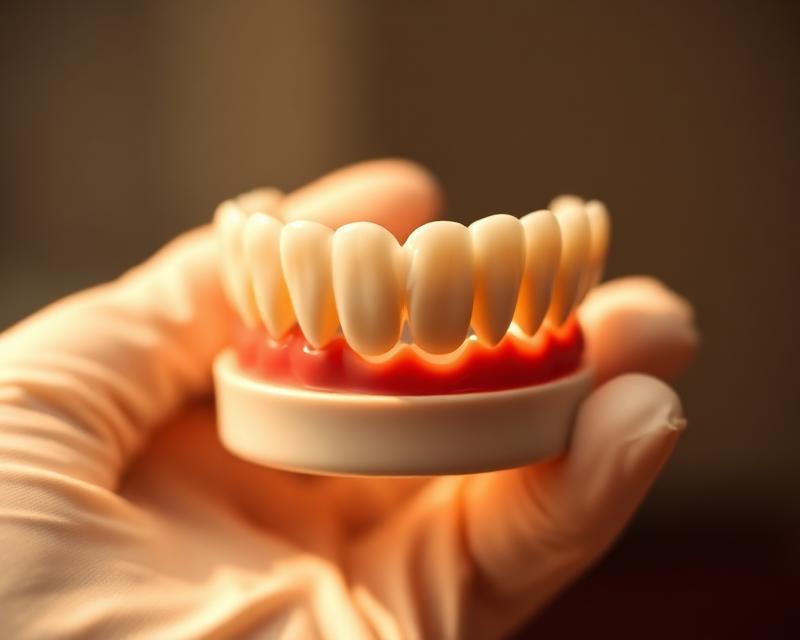
A dental crown is a custom-fitted cap that covers a tooth from the gum line up. It is what we use when a tooth is too damaged, too cracked, or too heavily filled for a regular filling to work reliably. Done well, a crown rebuilds the tooth's shape, restores normal chewing, protects what is left of the natural structure, and looks indistinguishable from the teeth around it.
Crowns are also one of the most over-recommended procedures in dentistry. In our office we use them when they are the right answer and we tell you when a smaller restoration will do. The conservative path is usually the better path; preserving more natural tooth keeps your options open for the next several decades.
When a crown is actually the right call
Crowns make sense in a small number of well-defined situations. The clearest cases are teeth that have had a root canal (which leaves the tooth more brittle), teeth with a crack that extends below the chewing surface, teeth with a filling so large that the remaining tooth walls are thin enough to fracture, and teeth that are worn down to the point that they have lost shape and function.
Common reasons we recommend a crown:
- After a root canal on a back tooth that bears chewing force
- A cracked tooth where the crack extends into the dentin
- A tooth with an old filling that has failed and there is not enough remaining structure for a new filling
- A tooth heavily worn from grinding, with shape and function lost
- An implant restoration (the crown is what attaches to the implant abutment)
- A cosmetic case where shape and color need to be rebuilt and bonding is not enough
When a filling is enough
Not every cracked or worn tooth needs a crown. A small cavity or a chipped corner often does well with a tooth-colored composite filling — less expensive, less invasive, and easier to redo or repair later. A crown is a bigger commitment: more tooth structure is removed to make room for it, and once a tooth is crowned, it will always need some kind of restoration from that point forward.
If we look at a tooth and see that a well-placed filling will restore strength and function for many years, we do the filling. We will not crown a tooth on speculation.
What a crown is made of
Modern crowns are usually all-ceramic — most often zirconia, lithium disilicate (e.max), or layered porcelain. These materials are strong enough for back-tooth chewing and translucent enough to look like natural enamel on front teeth. We choose the material based on the location of the tooth, how much bite force it takes, and how visible it is when you smile.
Older crowns were often porcelain fused to a metal substructure. They worked, but the metal sometimes showed as a gray line at the gum margin years later. Many patients in our office are now replacing decades-old metal-based crowns with modern all-ceramic versions that disappear into the smile.
What the appointment is like
A crown traditionally takes two visits. At the first visit we numb the tooth, remove old filling material and any decay, shape the remaining tooth so the crown will fit precisely, and take an impression or digital scan. We place a temporary crown that covers and protects the tooth while the lab fabricates the final restoration over a couple of weeks.
At the second visit we remove the temporary, try in the new crown, check the fit, the bite, the contact with neighboring teeth, and the color. When everything is right we cement it in place. Most patients tell us the new crown feels like a tooth within a day.
How long crowns last
A well-made crown on a tooth with healthy gums lasts a long time — fifteen to twenty years is typical, and we have crowns in patients' mouths well past that. The crown itself rarely fails on its own; what fails is usually the underlying tooth (new decay at the margin) or the gums (recession exposing the edge). Both are managed by the same boring routine: brush, floss, six-month cleanings.
Grinding and clenching shorten the life of any restoration, including crowns. If you grind your teeth at night — most people who do are unaware of it — a custom night guard is one of the most cost-effective protections you can buy.
Replacing old crowns
If you have a crown from twenty or twenty-five years ago that is still functioning, you do not need to replace it just because it is old. We replace crowns when we see a real reason: decay at the margin, a fracture, a poor fit causing food trapping, or a clear cosmetic problem on a visible tooth. If your old crown is doing its job, we leave it alone and reassess at the next visit.
Cost, insurance, and being honest about it
Crowns are not cheap. Most PPO insurance plans cover a portion — often around 50 percent after deductible — and HMOs vary widely. We verify your benefits before treatment and give you a written estimate. CareCredit financing is available if you need to spread the cost out.
If a treatment plan calls for several crowns and you cannot do them all at once, we will sequence them: handle the most urgent tooth first, plan the rest in phases over months or years. There is no rush to do everything at the same appointment.
Frequently asked
Questions patients ask us
- Will my new crown match my other teeth?
- Yes. We choose the shade in the chair with you and the lab matches it as closely as possible, including small variations in translucency. For very visible front teeth we sometimes do an extra try-in to confirm the color before we cement.
- Does getting a crown hurt?
- The appointment is done with local anesthesia, so the procedure itself is not painful. Some patients have mild sensitivity for a few days after; over-the-counter pain relievers are usually plenty.
- Can a crown get a cavity?
- The crown itself cannot. The natural tooth underneath the crown can still get a cavity at the gum-line edge if plaque is allowed to sit there. That is why brushing and flossing around crowns matters as much as around natural teeth.
- What if my crown comes off?
- Save it, do not chew on that side, and call us. In many cases we can re-cement the original crown if it is intact. Do not try to glue it back yourself with household adhesives.
Schedule
Have a question, or ready to be seen?
Call us at (562) 699-3838 or request an appointment online.