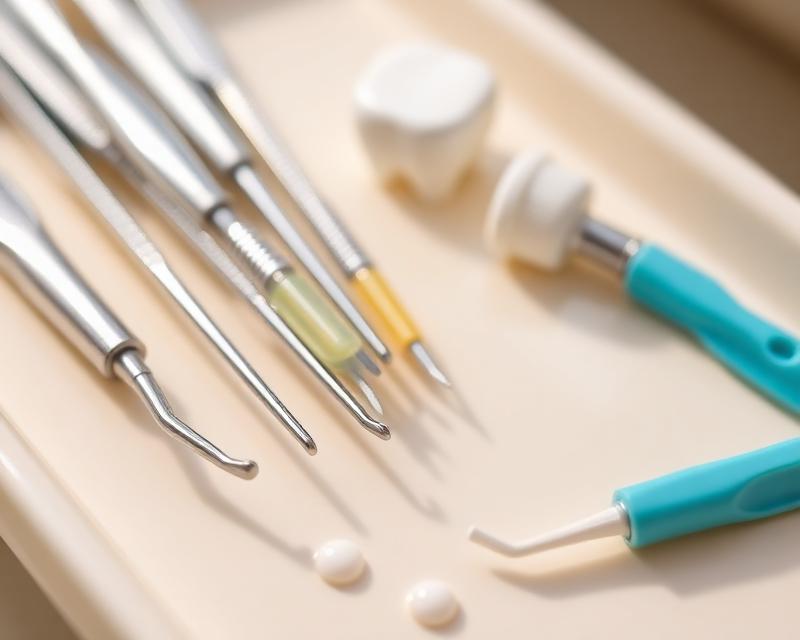
A filling is the most common restoration in dentistry, and for good reason: it is how we treat a cavity while it is still small. Catch decay early, place a well-bonded composite, and the tooth keeps doing its job for many years. The whole point of regular cleanings and exams is to find cavities at the filling stage — before they become root canals and crowns.
We use tooth-colored composite for almost every filling in our office. Composite bonds to the tooth, looks natural, and lets us be more conservative — removing only the decay and a small amount of surrounding tooth, instead of the larger preparation older silver amalgam fillings required.
Composite versus amalgam
Silver amalgam fillings (a mix of mercury, silver, tin, and copper) were the standard for over a century. They are durable and inexpensive, and millions of them are still in service. They also require more tooth removal to hold them in place mechanically, and they show as dark gray or black against the natural tooth.
Composite fillings are tooth-colored and bond chemically to the tooth, which means we can remove less healthy structure while still holding the filling in place. They are the right choice for almost every cavity we treat in our office today, especially anywhere the filling will be visible.
Patients sometimes ask us to remove all of their old amalgam fillings preemptively. We do not recommend that. The American Dental Association and the FDA both consider amalgam in place to be safe for adult patients. Removing intact amalgams creates more dust and exposure than leaving them; we replace amalgams when there is a real reason — decay underneath, a fracture, a poor seal — not on speculation.
What a filling appointment is like
Most fillings take 30 to 60 minutes. We numb the area, isolate the tooth (sometimes with a small dam, sometimes with cotton rolls), remove the decay carefully, and prepare the tooth surface. We apply a bonding agent, place the composite material in small layers, cure each layer with a blue light, and shape the final restoration to match your bite.
We check the bite carefully before you leave. A filling that sits even slightly high causes lingering soreness when you chew; a properly adjusted filling feels like nothing within a day. If anything feels off in the first week, call us and we will adjust it — that is a five-minute appointment, not a complication.
How long composite fillings last
A well-placed composite filling on a tooth with healthy gums lasts seven to ten years on average for a posterior (back) filling, and often longer for a small anterior (front) filling. Some last much longer; some need to be replaced sooner. The variables are size of the filling, location, your bite force, grinding habits, and home care.
Fillings rarely fail dramatically. They wear down at the edges, develop small leaks, or get a new cavity at the margin where the filling meets the tooth. We watch them at every cleaning visit and replace them when the X-ray or the exam tells us it is time — not before.
When a tooth needs a crown instead of a filling
If a cavity is large enough that the remaining tooth walls are thin, a filling may not give the tooth enough support to resist fracture. In those cases a crown is the better long-term answer. The judgment call usually comes down to how much healthy tooth is left after the decay is cleaned out.
We make this call with you in the chair, with the prep done so we can actually see what we are dealing with. If a tooth that looked filling-sized turns out to need a crown, we will tell you, walk through the options, and never proceed without your informed go-ahead.
After the appointment
Numbness usually lasts two to four hours after a filling. Avoid chewing on that side until the numbness wears off — it is easy to bite your cheek or tongue without realizing it. Some sensitivity to cold for a few days is normal, especially after a deeper filling. Persistent or worsening sensitivity beyond a couple of weeks is not normal; let us know.
Brush and floss normally starting the same day. The composite is fully cured before you leave the chair — there is no waiting period to eat or drink.
Preventing the next cavity
Once you have had a cavity in a tooth, you are at higher risk for another one in the same area. The plaque-friendly grooves and contact points that caused the first cavity are still there. Brushing twice a day, cleaning between the teeth daily, and showing up for cleanings every six months is the single most important thing you can do to avoid repeat fillings.
For patients with a higher cavity rate, we sometimes add fluoride varnish at cleaning visits, recommend a high-fluoride prescription toothpaste, and look hard at diet — especially the frequency of sugary or acidic drinks. Frequency matters more than amount.
Costs and insurance
Composite fillings are covered at varying rates by most dental insurance — many PPOs cover them at the amalgam rate and bill the difference to the patient, others cover composite fully. We verify benefits and give you a written estimate before treatment. Cash and major credit cards welcome; CareCredit available for larger plans.
Frequently asked
Questions patients ask us
- Are tooth-colored fillings as strong as silver fillings?
- For most situations, yes. Modern composites are durable enough for back-tooth chewing in normal use. Very large restorations on heavily-loaded molars sometimes do better as a crown or onlay rather than a large filling — we will tell you when that is the case.
- Should I replace my old silver fillings?
- Not unless there is a real reason — decay underneath, a fracture, or a poor seal. Intact amalgam fillings are considered safe and removing them on speculation creates more exposure than leaving them in place.
- Can a cavity be fixed without a filling?
- Very early decay that has not broken through the enamel can sometimes be remineralized with prescription-strength fluoride and improved home care. Once decay reaches the dentin, a filling is needed.
- Why does my new filling feel high when I bite?
- Almost always a quick adjustment is all it needs — a couple of minutes in the chair to shave the contact down to where it should be. Call us; do not chew on it for days hoping it settles.
Schedule
Have a question, or ready to be seen?
Call us at (562) 699-3838 or request an appointment online.